Bay breeze or ocean surf? If you are torn between the calm of Great Egg Harbor Bay and the buzz of Ocean City’s beaches, you are not alone. Both offer incredible shore living, but the day-to-day experience is different. In this guide, you will learn how bayfront and beachside lifestyles compare on boating, views, sand access, parking, noise, and the practical rules that shape ownership. Let’s dive in.
Bayfront living in Beesleys Point
What bayfront means here
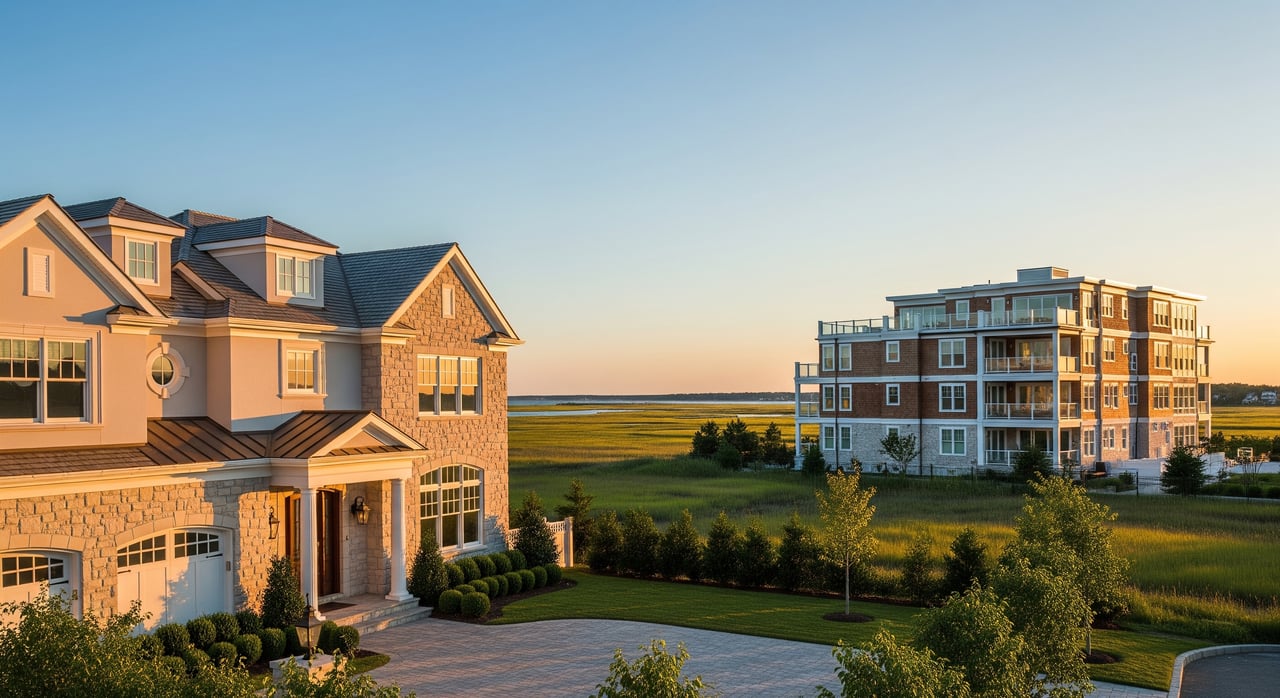
Bayfront in this area refers to homes on the Cape May County side of Great Egg Harbor Bay and its channels, including Beesleys Point. You face protected back-bay waters instead of open Atlantic surf. Neighborhoods are largely residential and water‑oriented with a quieter feel.
Daily life on the bay: boating and dockage
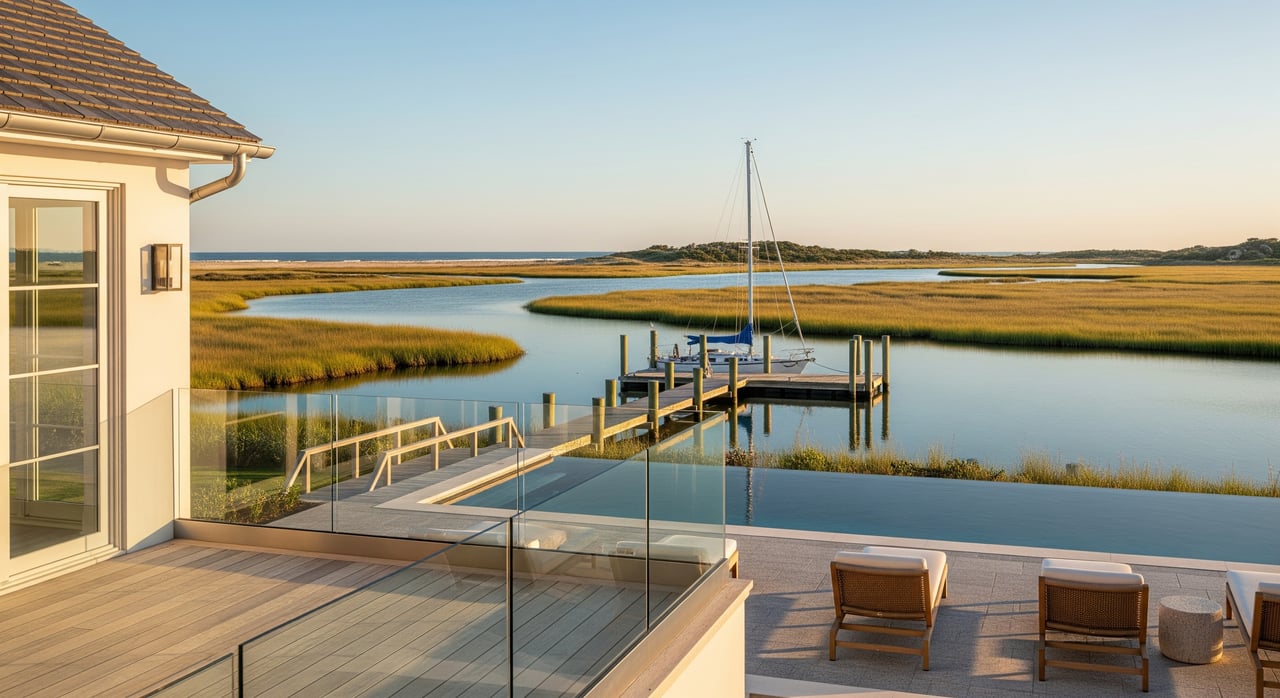
If you want your boat steps from your deck, bayfront is often the easier path. Many lots can support private docks or a slip within nearby waterways. You will want to confirm tidal range, channel depth, bulkhead condition, and whether dredging affects access for deeper draft boats.
Docks and shoreline work on tidal waters usually require permits at the state and sometimes federal level. Review New Jersey’s process for waterfront development on the NJDEP Land Use program site, and verify riparian rights and any recorded easements on the lot before you commit.
Views and sunsets
Bayfront homes often capture wide water views and evening light. West-facing exposure can deliver memorable sunsets over the mainland shoreline. Water is typically calmer, which makes for reflective, peaceful vistas from your deck.
Sand, swimming, and access
Bay edges here can be bulkheaded, marshy, or have small pocket beaches. The water is calmer for paddling and casual swimming, but you will not get ocean surf play. For wide, lifeguarded beaches and surf recreation, you will head over to Ocean City.
Parking and pace
Bayfront streets are usually less congested in summer. You will find more on-street parking and fewer visitors circulating daily. If you want quick access to the boardwalk and beach, plan for seasonal bridge traffic and timing your trips during peak months.
Beachside living in Ocean City
What beachside means here
Beachside refers to Ocean City’s barrier-island oceanfront and ocean-facing blocks near the boardwalk. You live among public beaches, restaurants, shops, amusements, and seasonal events. The setting is active in summer and quieter off-season.
Direct sand and surf
Oceanfront living gives you immediate sand access, surf, and lifeguard coverage in season. The Atlantic brings wave energy and undertow, so beach days are about checking flags and following lifeguard guidance. For specific beach rules and guarded areas, use the City of Ocean City’s beach information.
Sunrise views and breezes
Oceanfront homes are typically east-facing, so sunrises are the star. Morning light, sea breezes, and the sound of the surf define daily routines. Open exposure also means stronger wind and occasional salt spray.
Parking and summer activity
Near the boardwalk, expect heavy pedestrian traffic, paid and permit parking, and frequent turnover from short-term rentals. Review the city’s current rules on parking and permits so you understand costs and options in peak season.
Boat access from the island
Most private docks on the island sit on the bay side, not the oceanfront. If boating is a priority, plan on a marina slip or launch ramp on the bay side of Ocean City or on the mainland. Direct ocean launching is not typical and depends on skill, season, and sea conditions.
Cost, risk, and maintenance
Flood zones and insurance
Both bayfront and beachside homes face coastal flood risk from storm surge and sea-level rise. Your premiums and requirements depend on FEMA flood zone and elevation. Before you make an offer, look up the property on the FEMA Flood Map Service Center and ask for an elevation certificate if available.
For longer-term planning, visualize future conditions on the NOAA Sea Level Rise Viewer and review localized projections with the Rutgers NJ Flood Mapper. These tools help you weigh today’s fit with tomorrow’s risk and potential insurance impacts.
Permits, setbacks, and wetlands
Shoreline work such as bulkheads, revetments, docks, and ramps often requires permits from NJDEP, county, and sometimes federal agencies. Setbacks from tidal wetlands and public trust lands can limit yard upgrades or dock placement. Explore permit basics and timelines on the NJDEP Land Use program, and confirm whether any conservation easements or buffers apply to the lot.
Utilities and systems
Some bayfront pockets may rely on septic systems, while many areas on the island have municipal sewer. If a home is on septic, confirm its capacity and condition and whether it supports planned bedroom counts or additions. Ask about winterization practices for exposed pipes and marine-influenced utilities in both settings.
Ongoing maintenance
Salt air, wind, and moisture increase wear on exterior finishes everywhere by the water. On bayfronts, plan for periodic bulkhead and dock upkeep and potential dredging needs depending on your channel. On the oceanfront, open exposure can accelerate paint and metal corrosion. In both cases, budget for coastal insurance and specialty trades when planning updates.
Lifestyle tradeoffs at a glance
Choose bayfront if you value
- Private dock potential and quick access to protected waters.
- Quieter residential streets with more consistent parking.
- Sunset views and calmer water for paddling and fishing.
- A home base that is close to Ocean City but outside the peak boardwalk bustle.
Choose beachside if you value
- Direct, daily access to wide, lifeguarded beaches and surf.
- Sunrise horizons and the sound of waves from your deck.
- Walkability to boardwalk amenities, shops, and seasonal events.
- Strong visitor demand for proximity to the beach when renting.
Buyer checklist for bayfront and beachside
Use this list to compare specific homes and avoid surprises.
- Flood and elevation: Confirm FEMA flood zone and request an elevation certificate. Review the property on the FEMA Flood Map Service Center and visualize future scenarios with the NOAA Sea Level Rise Viewer.
- Dockage and riparian rights: Verify legal rights to build or maintain a dock, plus any shared-access easements. Ask for bulkhead and dock surveys and maintenance records.
- Permits and setbacks: Confirm what is allowed under the NJDEP Land Use program and whether wetlands buffers or public trust limits apply.
- Utilities: Determine if the property uses municipal sewer or septic. If septic, ask for recent inspection and capacity details.
- Rental rules: If rental income matters, review Ocean City registration and occupancy rules on the city site, and compare with Upper Township requirements on the Upper Township municipal site.
- Parking and access: For beachside, review Ocean City parking and permits. For bayfront, factor in seasonal bridge traffic when planning boardwalk trips.
- Orientation: Note sunrise or sunset exposure and how outdoor spaces take advantage of light and views.
- Inspections: Request coastal-focused home inspection findings, including corrosion, mold, foundation elevation, bulkhead condition, and any storm damage history.
Commute and connectivity
Bayfront owners typically drive into Ocean City for the beach, boardwalk, dining, and events. In summer, plan for heavier bridge traffic and adjust timing to avoid peak congestion. On the island, you can often walk or bike to the beach, but parking rules and seasonal demand shape daily routines.
What to expect season by season
Bayfront pace
Bayfront neighborhoods tend to be quieter year-round. Expect sounds of boats on the water, occasional lawn equipment, and the rhythms of a residential area. In marsh-adjacent sections, you may notice more wildlife and insects in warm months.
Beachside energy
Near the boardwalk, summer brings festivals, rides, and lively foot traffic. Ocean City restricts alcohol sales, which shapes the style of nightlife, but summer evenings still carry activity and sound. Off-season, the island slows and many businesses shorten hours.
How to decide with confidence
Start by ranking your top three lifestyle priorities. If a private dock and a quiet evening on the deck top the list, focus on bayfront options. If daily sand access and a short walk to morning coffee are non-negotiable, lean beachside. Then layer in the practicals: flood zone, insurance, permits, utilities, maintenance timeline, and rental rules.
When you tour, visit at different times of day, note wind and light, and try a sample commute on a weekend. For policy and mapping questions, check Ocean City’s official resources, review Upper Township municipal guidance, and explore future conditions with the Rutgers NJ Flood Mapper.
Ready to compare real homes on both shores, with a plan for permits, insurance, and maintenance? Reach out to the local team that blends lifestyle guidance with transaction detail. Start Your Shore Home Journey — Get a Free Market Consultation with Carrie Paul.
FAQs
What is the key difference between bayfront and beachside near Ocean City?
- Bayfront faces protected back-bay waters with dock potential and sunset views, while beachside sits on the ocean with direct sand access, surf, sunrise views, and more seasonal activity.
How do I check flood risk for a Beesleys Point or Ocean City home?
- Look up the address on the FEMA Flood Map Service Center and review future scenarios using the NOAA Sea Level Rise Viewer or the Rutgers NJ Flood Mapper.
What permits are needed for docks or bulkheads in New Jersey?
- Waterfront work often needs approvals through the NJDEP Land Use program, and in some cases county or federal review. Verify riparian rights and setbacks before planning upgrades.
How is parking different by the boardwalk vs. bayfront streets?
- Near the Ocean City boardwalk, expect paid or permit parking and heavy summer demand. Bayfront streets on the mainland side are typically less congested with more on-street parking.
Are bayfront or beachside homes better for short-term rentals?
- Beachside homes often see strong demand due to proximity to the beach and boardwalk, but local registration, occupancy, and parking rules apply. Bayfront rentals can attract boaters seeking quieter stays; demand profiles differ by location and amenities.