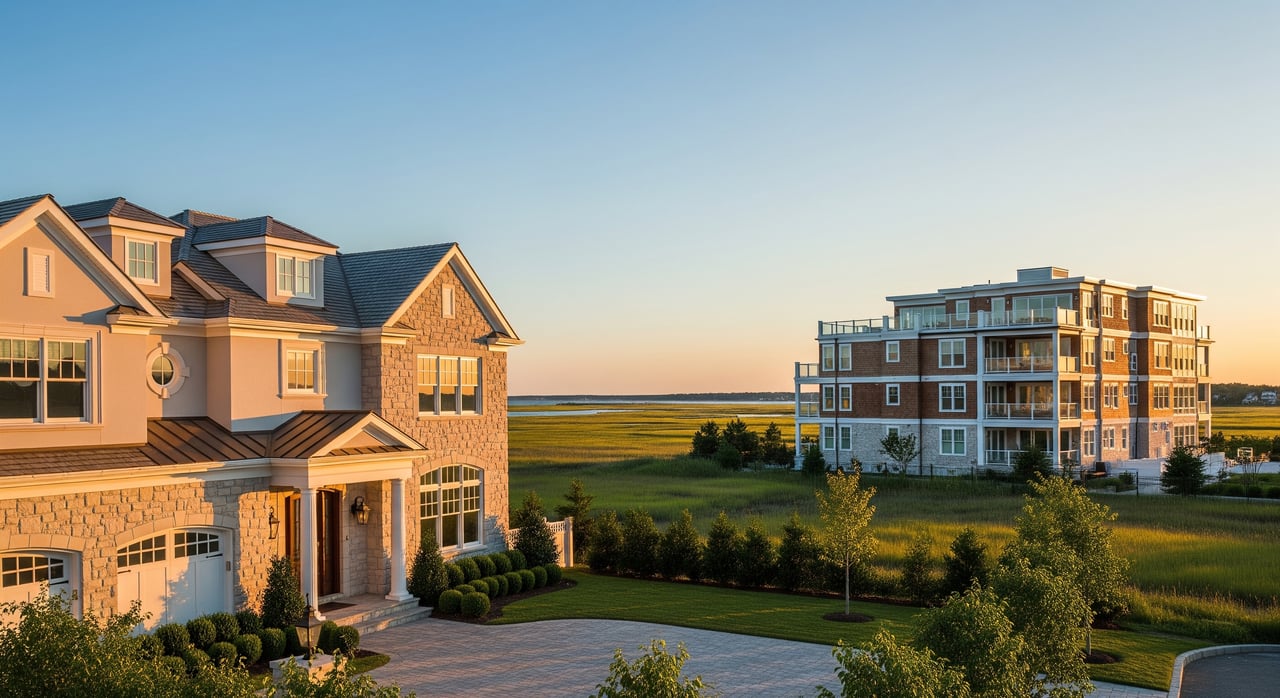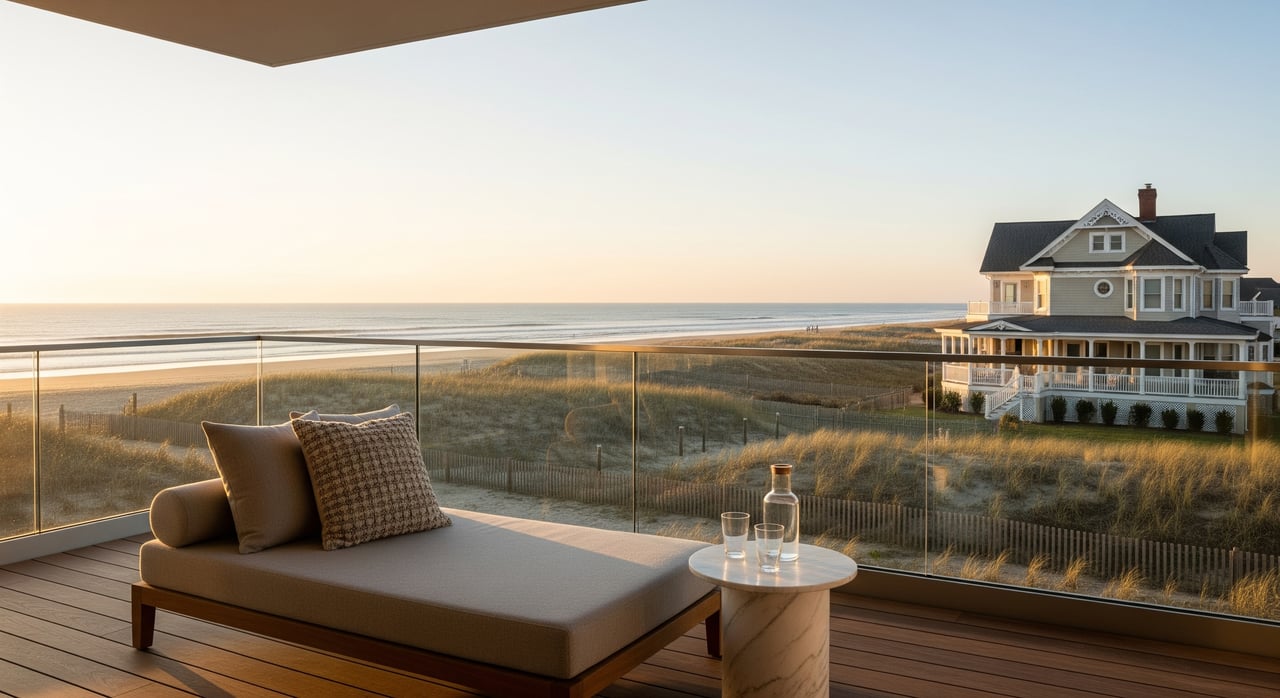
Trying to choose between a condo and a single-family home in Ocean City, NJ? You are not alone. Many buyers start here, weighing lifestyle, convenience, and total cost against rental potential and resale. This guide walks you through the key tradeoffs for the shore so you can make a clear, confident choice. Let’s dive in.
Ocean City market context
Ocean City blends a family-focused culture with a strong summer tourism season. You will find a mix of single-family homes and a wide range of condo options near the beach and boardwalk.
Buyers usually fall into one or more of these groups: year-round residents, weekend or seasonal owners, investors running short-term rentals, and retirees or downsizers. The right fit often comes down to how you plan to use the property and how hands-on you want to be.
Local factors matter for both property types: flood exposure, storm resilience, seasonal rental dynamics, property taxes, and local rules for rentals. Keep these in view as you compare options.
Cost of ownership: condo vs. house
Entry price and upfront costs
Condos often provide a lower entry price than single-family homes in the same area. You may trade private land and outdoor space for shared amenities and a smaller footprint. Single-family homes tend to command a premium for land, parking, storage, and year-round comfort.
Monthly costs to compare
Create an apples-to-apples monthly estimate for both a representative condo and a single-family home. Include:
- Mortgage and taxes, based on assessed value and Ocean City’s local rates.
- HOA or condo dues for condos, which may cover common maintenance, some utilities, and master insurance.
- Insurance for the structure and contents, plus flood and wind where required.
- Exterior upkeep and landscaping for single-family homes, and any separate neighborhood HOA if applicable.
Condo HOA dues can simplify maintenance, but master insurance and reserves affect fees over time. For a single-family home, you carry more line items, but you control the timing and scope of work.
Insurance at the shore
Insurance is a major budget factor in coastal markets. Condo owners usually need an HO-6 policy for interior finishes and personal property, while the condo’s master policy covers the building shell and common areas. For single-family homes, you insure the entire structure, which can mean higher premiums. Flood insurance and wind coverage may be required by lenders based on FEMA flood zones and building location. Ask how hurricane deductibles work and what is covered under each policy.
Financing differences
Condos sometimes face extra loan requirements. Lenders may review the project’s financial health, reserve levels, owner-occupancy ratios, and any litigation. Many have specific condo approval lists. Single-family homes usually qualify more easily for standard mortgage products. If you plan to rent, remember that investor loans can require higher down payments, and some lenders will not count short-term rental income for qualifying.
Maintenance and coastal risk
Who handles what
- Condos: The association typically manages exterior elements like roofing, siding, elevators, landscaping, and shared utilities. You maintain the interior finishes and systems defined inside the unit boundaries. The benefit is less hands-on upkeep, especially if you are seasonal.
- Single-family homes: You handle the entire structure and site, from the roof and siding to landscaping and trash. It takes more time and planning, but you control the quality and schedule.
Flood zones and elevation
Ocean City properties can sit in or near FEMA Special Flood Hazard Areas. Ask for the flood zone, Base Flood Elevation, and an elevation certificate if available. Flood insurance and wind coverage can be significant recurring costs, and lenders may require them to close.
Storm hardening and reserves
Look for features that improve resilience: elevation on pilings, flood vents, flood-resistant materials, and documented upgrades. In condos, request association records that show past storm repairs and planned capital projects. Healthy reserves help prevent sudden fee spikes after major work.
Special assessments
If a condo association’s reserves are inadequate, owners can face special assessments for big repairs or storm damage. Ask for the reserve study, recent meeting minutes, and a history of assessments so you know what might be coming.
Lifestyle and daily living
Privacy and control
- Condos: Expect shared walls, rules on pets and noise, and limits on exterior changes. You may gain amenities like a pool, fitness room, elevator access, and on-site management.
- Single-family homes: You usually get more privacy, storage, and parking, plus freedom to customize. The tradeoff is higher maintenance and more tasks on your to-do list.
Parking, storage, and access
Parking and storage are prized at the shore. Single-family homes often deliver driveways, garages, and outdoor storage for beach gear. Condo options vary by building, so confirm assigned spaces, guest parking, and any storage lockers. Proximity to the beach and boardwalk can strongly influence daily convenience and long-term value.
Rental potential and rules
City regulations to confirm
Short-term rentals are common in peak summer, with softer demand off-season. Ocean City may require rental registration, inspections, and tax remittance. Rules can change, so confirm the current municipal requirements before you buy or list.
HOA rules to review
Many condo associations set minimum stays, cap the number of rentals per year, or restrict rentals entirely. Some require a period of owner occupancy before rentals are allowed. Review the governing documents carefully so your rental plan aligns with the rules.
Modeling income realistically
Factor in cleaning and management, utilities, occupancy taxes, and capital repairs. Condos can be easier to maintain for short stays, but restrictions may limit your strategy. Single-family homes can command higher weekly rates and more flexibility, but they take more oversight.
Resale dynamics in shore markets
Buyer pools and timing
Condos often attract second-home buyers, retirees, and investors, with strong interest in lower-price tiers. Single-family homes draw year-round buyers and families who value space and control. Seasonality can influence traffic and days on market, especially near the beach and boardwalk.
What drives value
Condition, proximity to the beach, parking, and storage tend to carry weight. Association health matters for condos, including reserves and recent capital work. For single-family homes, flood elevation, storm resilience, and outdoor livability can shape long-term value.
Due diligence checklists
If you are buying a condo
- Governing documents: declaration, bylaws, and rules.
- Recent meeting minutes for the last 12 to 24 months.
- Budget, financials, reserve study, and current reserve balance.
- Master insurance certificate, including what is and is not covered.
- History of special assessments and any pending litigation.
- Rental policies, including minimum stays and registration requirements.
- Owner-occupancy rates and delinquency data, if available.
- Management agreement and plans for upcoming capital projects.
If you are buying a single-family home
- Property tax records and recent assessments.
- Any HOA documents if the home is in a neighborhood association.
- Flood elevation certificate and any prior flood or insurance claims.
- History of storm damage and repairs.
- Recent inspection reports for roof, electrical, plumbing, and HVAC.
For all coastal purchases
- Confirm FEMA flood zone and Base Flood Elevation.
- Ask about elevation, bulkheads or dunes, flood vents, and mitigation work.
- Understand wind and hurricane policy deductibles.
- Verify rental registration and required safety inspections.
- Confirm parking, storage, and winterization needs.
Which is right for you?
- You want low maintenance, easy lock-and-leave, and access to amenities. A condo can be a strong fit, especially if you value proximity to the beach and simplified upkeep.
- You want more privacy, storage, and flexibility for year-round living. A single-family home may serve you better, even with the added maintenance.
- You want rental income and flexibility. Either can work, but align your plan with municipal rules and any HOA requirements, then model true net returns before you buy.
If you want a clear side-by-side comparison for your budget and goals, our team can help you estimate total monthly costs, review association documents, and assess rental potential. Ready to talk through your plan? Connect with Carrie Paul to start your shore home journey and get a free market consultation.
FAQs
What costs differ most between condos and houses in Ocean City?
- Condos often have lower purchase prices but add HOA dues and a master insurance share, while single-family homes shift more costs to individual insurance and maintenance.
Do I need flood insurance for a shore property in Ocean City, NJ?
- Many coastal properties require flood insurance based on FEMA flood zones and lender rules, so confirm the zone, elevation, and premiums before you make an offer.
Can I rent my Ocean City property short term?
- Yes in many cases, but you must follow Ocean City’s registration and tax rules, plus any HOA restrictions on minimum stays or number of rentals per year.
Is financing a condo harder than a house near the beach?
- It can be, since lenders review condo project approval, reserves, and owner-occupancy rates, while single-family homes typically qualify more easily for standard loans.
What should I look for to handle storms and flooding?
- Check elevation relative to Base Flood Elevation, flood vents, building materials, and documented mitigation work, then verify insurance coverages and deductibles.
How do condo special assessments work in New Jersey shore buildings?
- If reserves are not sufficient for major repairs, the association can levy a special assessment on owners, so always review the reserve study and recent meeting minutes.